


Transforming a backyard into a lush paradise doesn’t require a degree in botany or a green thumb. With the right plants, even the most garden-challenged individuals can create a vibrant oasis that rivals the best botanical gardens. Backyard plants not only beautify outdoor spaces but also offer a sanctuary for wildlife, a source of fresh herbs, and a perfect backdrop for summer barbecues.
Backyard Plants
Backyard plants enhance the environment and can significantly improve outdoor aesthetics. Selecting suitable varieties for your space adds beauty and practicality.
Flowering Plants
Flowering plants provide vibrant color and attract pollinators. Common selections include marigolds, petunias, and daisies. These plants thrive in varying climates and bloom at different times, ensuring year-round interest. Many of them require minimal maintenance, making them ideal for novice gardeners. Incorporating perennials, such as coneflowers and black-eyed Susans, offers a reliable return each season, enhancing overall garden resilience.
Foliage Plants
Foliage plants focus on leaf texture and color, enriching the backyard’s visual appeal. Options such as hostas, ferns, and heucheras showcase diverse patterns and shades. These plants often flourish in shade, complementing sun-loving flowers. Layering foliage plants creates depth and dimension, establishing a visually striking landscape. Incorporating evergreens like boxwood provides year-round structure, ensuring the space remains engaging in all seasons.
Vegetables And Herbs
Vegetables and herbs contribute functionality and sustainability to backyards. Common choices include tomatoes, peppers, basil, and rosemary. Many of these plants fit easily into limited spaces, perfect for urban gardens. Growing your produce encourages healthy eating and reduces reliance on store-bought options. Seasonal planting maximizes yield, allowing for continual harvest throughout the year.
Planting And Care Tips
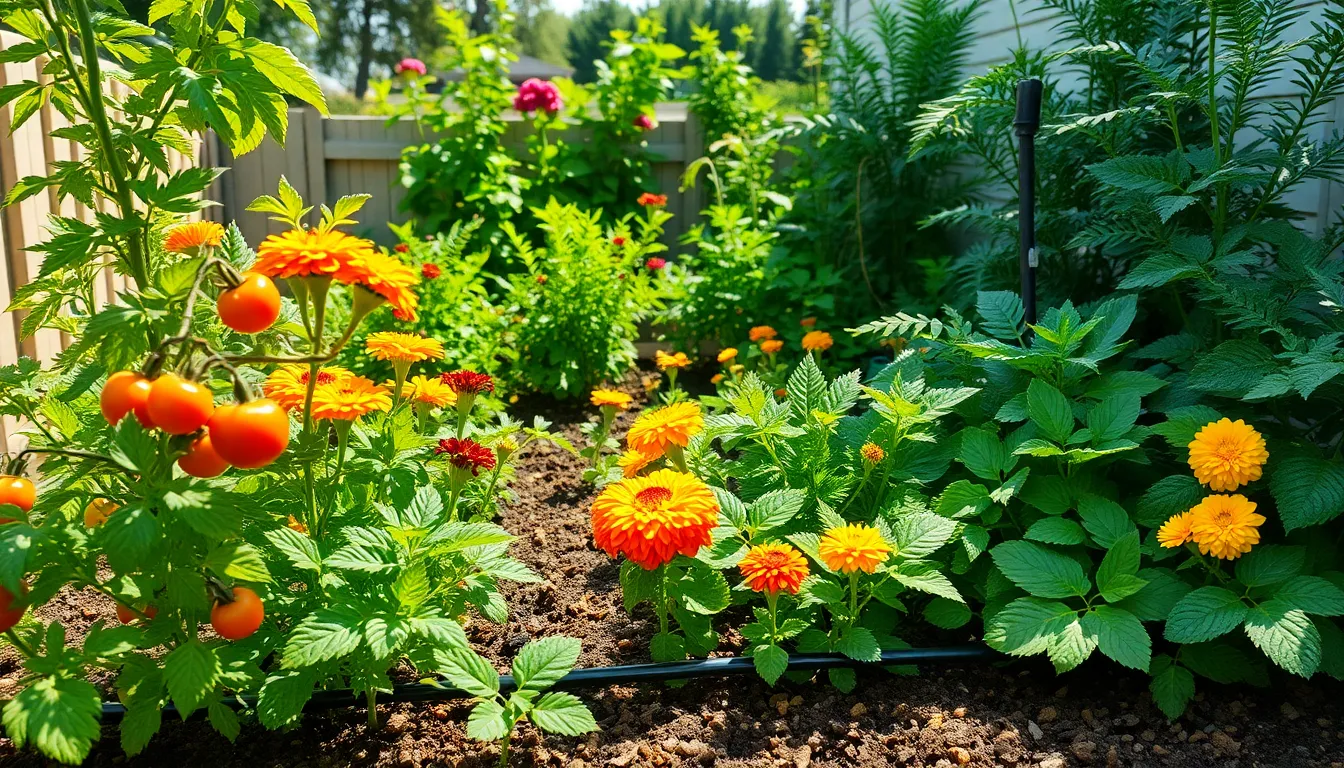
Creating a thriving backyard garden requires attention to several essential aspects. Focusing on soil, water, and sunlight ensures plants grow successfully.
Soil Preparation
Soil quality plays a vital role in plant growth. Start by testing the pH level; most plants thrive in slightly acidic to neutral soil (6.0 to 7.0 pH). Amend the soil with organic matter, such as compost, to improve its structure and nutrient content. Incorporating well-rotted manure also enhances fertility. Tilling the soil helps aerate it and allows roots to penetrate easily. Consider adding appropriate fertilizers based on test results to address any nutrient deficiencies. Overall, well-prepared soil provides a strong foundation for a lush garden.
Watering Guidelines
Consistent watering habits significantly impact plant health. Watering should occur early in the morning to reduce evaporation. It’s crucial to deliver deep, consistent moisture to encourage strong root systems. For most plants, aim for about one inch of water per week, increasing as needed in hotter months. Utilize a soaker hose or drip irrigation for efficient water distribution. Additionally, observe individual plant needs, as some species prefer drier conditions, while others thrive with more moisture. Monitoring soil moisture levels can guide watering schedules effectively.
Sunlight Requirements
Sunlight is essential for plant growth and development. Assess the available sunlight in your backyard before planting. Full sun plants, like tomatoes and marigolds, require at least six hours of direct sunlight daily. Partial shade plants, such as ferns and hostas, flourish in four to six hours of dappled sunlight. Understanding each plant’s light tolerance promotes healthier growth and vibrant blooms. Positioning plants according to their sunlight preferences optimizes their growth potential. Ultimately, a well-planned arrangement maximizes garden beauty and productivity.
Designing Your Backyard Garden
Creating a backyard garden involves thoughtful planning and design that maximizes both aesthetics and functionality. Consider the following layout ideas and seasonal considerations to enhance the beauty and productivity of the space.
Layout Ideas
Start with defining distinct zones such as seating areas, planting beds, and pathways. Raised beds offer a practical solution for growing vegetables and herbs while providing accessibility. Incorporating curved pathways can create a sense of flow and guide visitors through the garden. Planting in layers adds depth; durable shrubs at the back and colorful flowers in the front result in an engaging visual appeal. Finally, consider groupings based on plant height and blooming times to create cohesive designs that evolve with the seasons.
Seasonal Considerations
Adapting the garden to seasonal changes increases its beauty and sustainability. Spring signals the arrival of vibrant blooms; planting perennials ensures bursts of color year after year. Summer heat may require adjustments in watering practices, so selecting drought-tolerant plants can conserve water. In fall, layering bulbs for spring blooms offers anticipation and excitement. Winter considerations include evergreens for structure and visual interest during cold months. Preparing plants and soil for seasonal shifts contributes to the overall health of the backyard garden.
Common Pests And Diseases
Common pests and diseases can significantly impact backyard plants. Identifying these threats early can protect their health and beauty.
Prevention Strategies
Regular inspections of plants can detect signs of pests or diseases. Use resistant plant varieties to minimize risk. Maintaining proper watering routines prevents stress that attracts pests. Additionally, incorporating beneficial insects like ladybugs and lacewings helps control harmful populations naturally. Clean gardening tools also reduce the spread of disease. Rotating crops annually further decreases the chances of persistent pests and diseases. Proper garden hygiene, including removing debris and wilted leaves, promotes a healthier environment. Creating a diverse plant community can enhance resilience against specific threats.
Treatment Options
When pests or diseases appear, immediate action is crucial. Neem oil can effectively deter many common insects while being safe for beneficial organisms. Insecticidal soap targets soft-bodied pests, ensuring minimal harm to surrounding species. Another alternative involves introducing natural predators to the garden, providing a sustainable solution. For diseases, applying fungicides can help manage outbreaks but should align with specific symptoms. Quarantining affected plants prevents the spread of pathogens. Regularly monitoring plant health enables timely interventions and greater success in maintaining a thriving backyard garden.
Conclusion
Creating a vibrant backyard filled with plants is achievable for anyone willing to embrace the process. With the right choices and care, it’s possible to cultivate a space that not only looks stunning but also supports local wildlife and provides fresh produce.
By focusing on plant selection and thoughtful design, anyone can enhance their outdoor environment. Regular maintenance and attention to plant health will ensure the garden thrives throughout the seasons.
Whether it’s for relaxation, entertainment, or sustainability, a well-planned backyard garden can transform any outdoor area into a personal oasis. Embracing this journey can lead to a rewarding experience that enriches both the home and the community.